
RainSo uses magnetic jewelry quality control checks at seven stages from incoming material to final packing. The process targets the problems that cause rework and returns: wrong material, plating faults, loose magnets, weak clasps and shipping damage.
Seven QC checkpoints
Not every order uses the same inspection level. Material and structure checks are planned before production; plating and assembly checks happen on the line; the final check is completed before packing. The exact scope depends on the product, order quantity and written specification.
Why Magnetic Jewelry Quality Control Has Seven Checkpoints
A bracelet can look correct on a table and still fail after a week of wear. A magnet can sit slightly high. A clasp can open too easily. Plating can look uneven under daylight. These issues are easier to catch during production than after the shipment has left China.
The seven checkpoints below separate incoming material, surface treatment, assembly and final packing. The records identify where a problem started rather than relying on end-of-line inspection alone.
1. IQC incoming material check
Incoming stainless steel, copper, titanium and other components are checked against the approved specification. The team reviews material identification, dimensions, surface condition and visible defects before parts enter production. The 316L supplier guide covers the documents buyers can request for this stage.
2. Pre-plating inspection
Before plating, the surface is checked for polishing marks, pits, sharp edges and residue. A clean base matters because plating can highlight scratches instead of hiding them. Any part that falls outside the approved surface standard is separated for rework or replacement.
3. Plating quality check
After plating, the team checks colour, gloss, coverage and edge finish against the approved sample. The inspection looks at parts that are easy to miss in normal lighting, including link edges, clasp surfaces and areas around the magnet setting. Salt spray testing can be arranged for selected products and order scopes; it is not presented as an automatic test for every item.
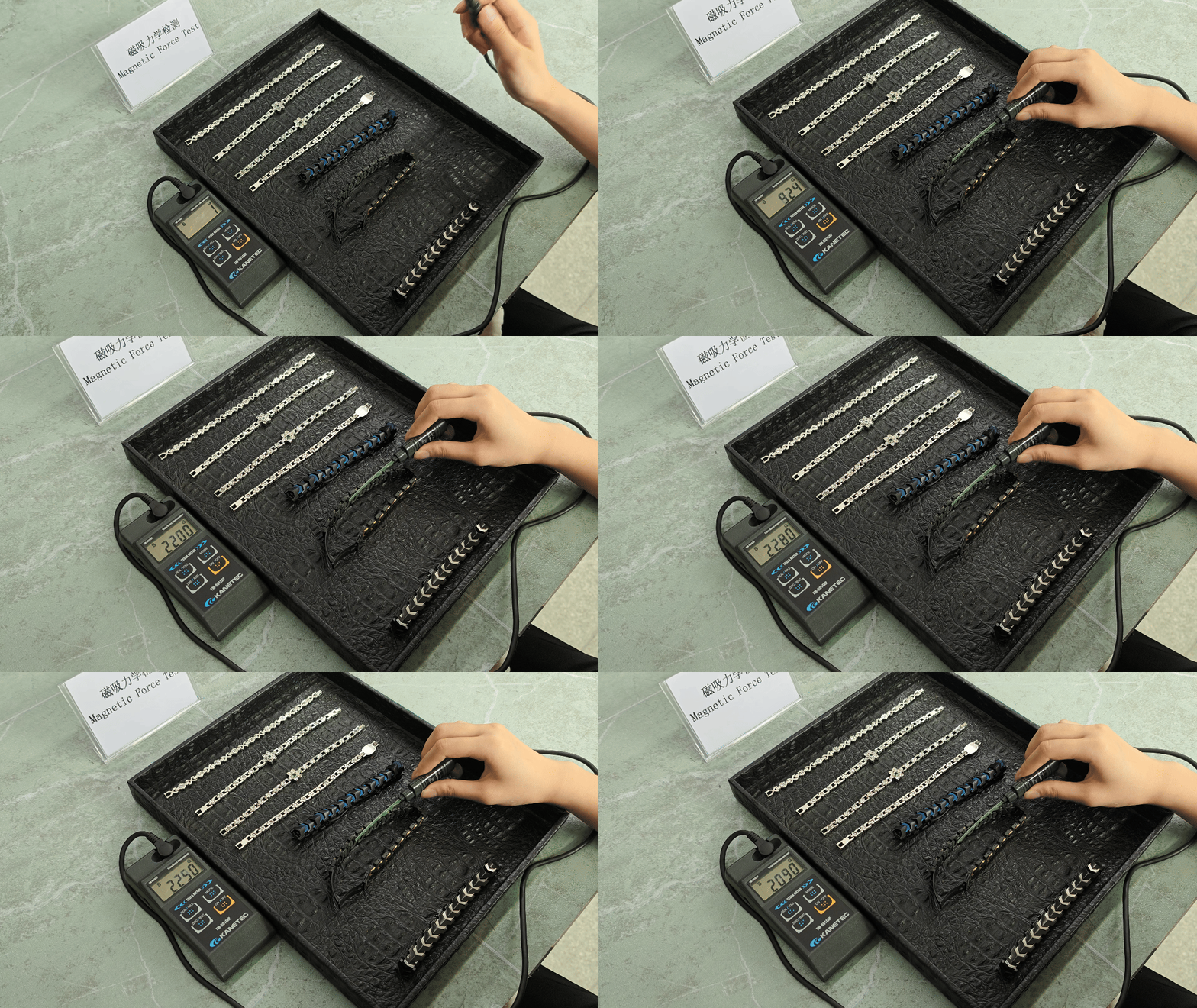
4. Post-assembly inspection
Once the links, magnets, clasp and decorative parts are assembled, the item is checked for fit, movement and alignment. The team confirms that magnets sit in the intended position and that the closure lines up without forcing the links. This stage also checks for sharp edges or loose components.
5. Clasp strength check
Clasps are opened and closed by hand and checked for tension, alignment and unusual movement. A clasp that is too loose can release during wear; one that is too tight can be difficult for the customer to use. The approved sample remains the reference for the expected feel.

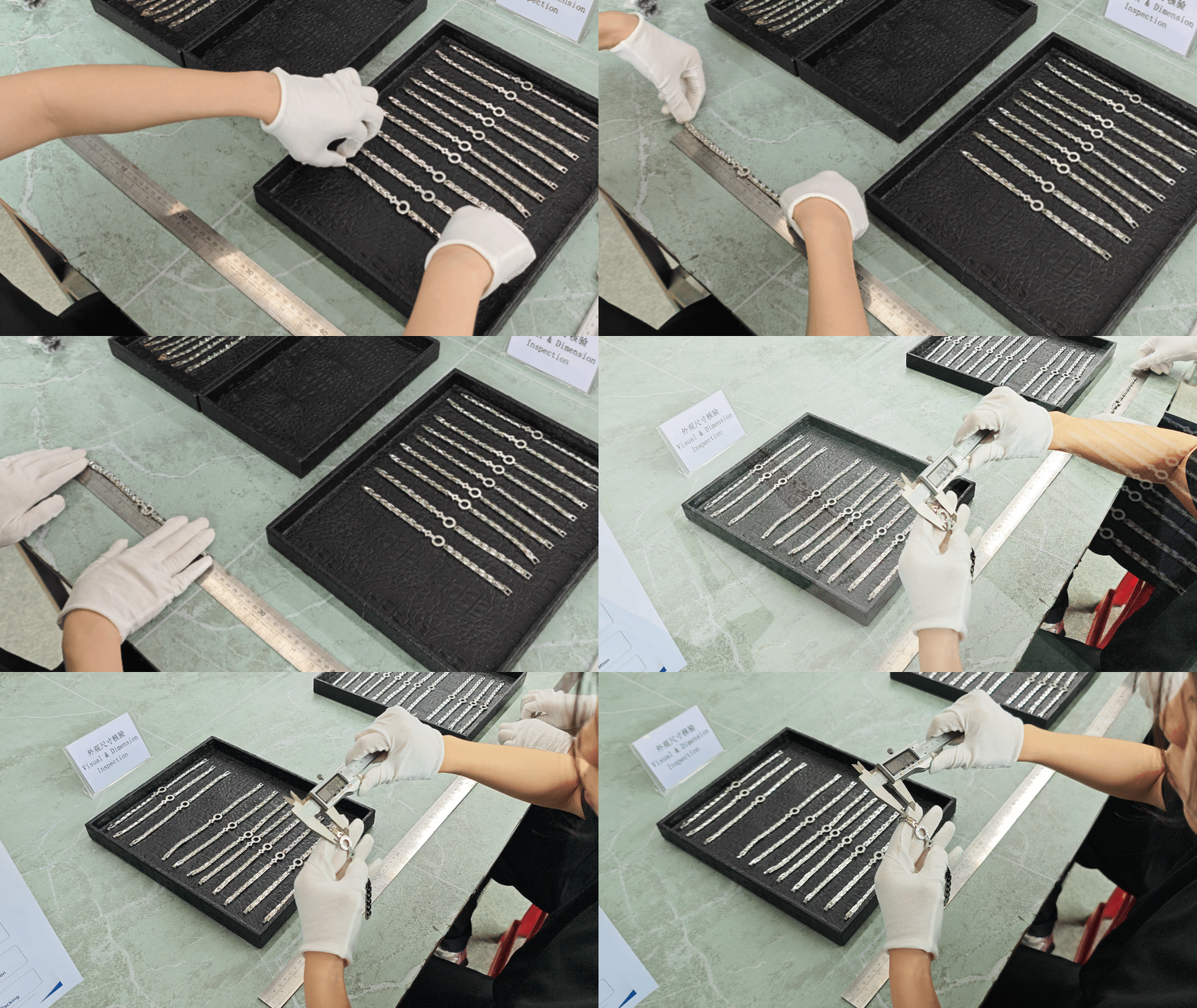
6. Structure recheck
A final structure check confirms length, width, thickness and the fit between moving parts. The item is compared with the approved dimensions and sample. Any difference that affects wearability, magnet position or clasp function is treated as a production issue rather than a cosmetic variation.

7. Pre-shipment check
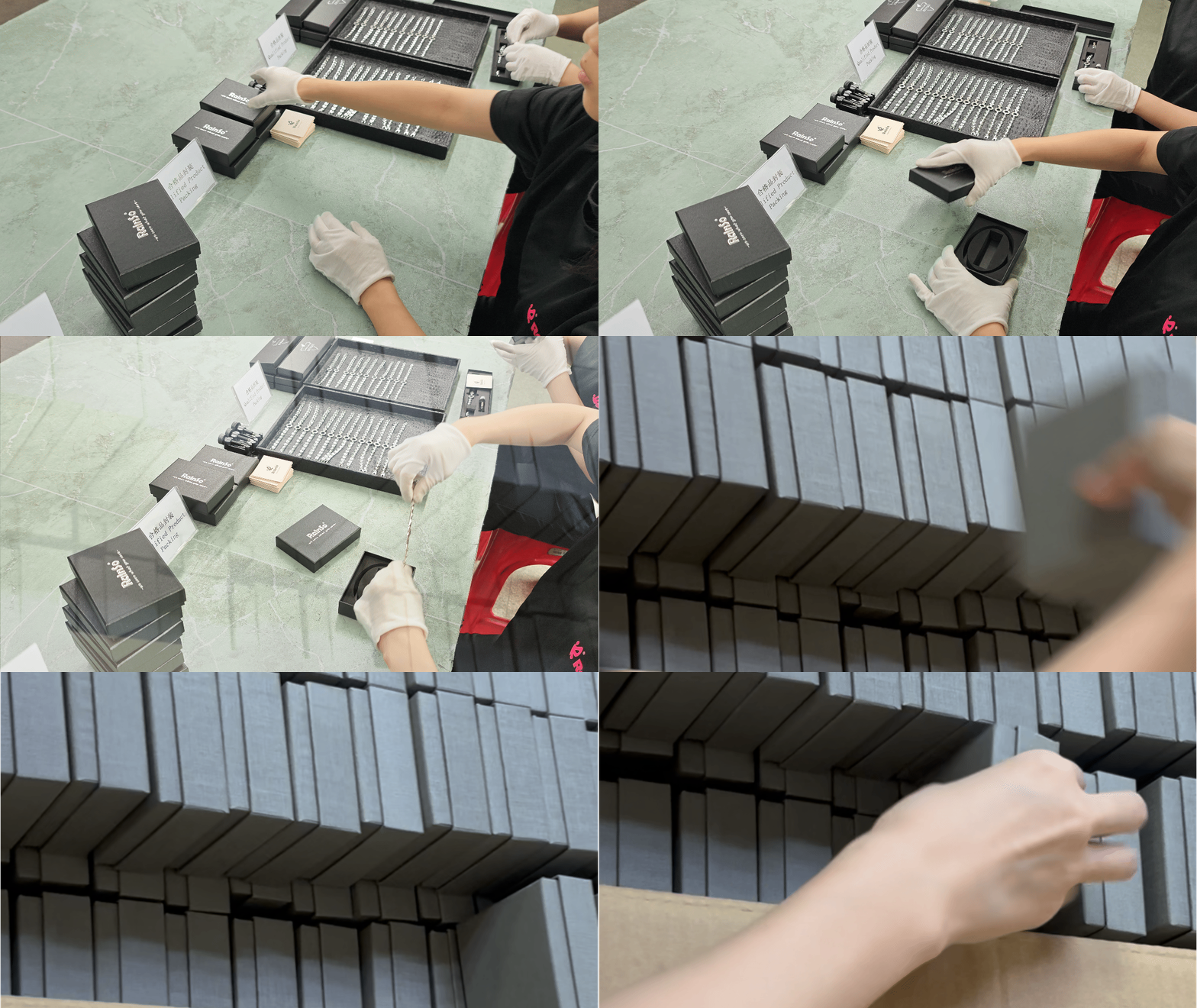
Before packing, the order is checked for quantity, product mix, surface condition, logo or engraving position and packing accuracy. Items are protected against scratching and packed according to the agreed requirement. For wholesale orders, the carton labels and packing record are also reviewed.
What is checked per unit and what may be sampled
Some checks are practical for every unit: surface condition, basic function, magnet position and packing accuracy. Other checks may follow a documented batch plan, such as dimensions, plating colour or clasp tension. The inspection plan should state which checks are performed per item and which are sampled. A general sampling reference is ISO 2859-1, but the applicable plan still depends on the product and order.
In magnetic jewelry quality control, when a unit fails, the next step depends on the defect. It may be reworked, replaced, quarantined or rejected. The supplier should be able to explain the decision instead of simply removing the unit from the batch.
Records buyers can request
- An inspection summary for the order.
- Photos or video of a selected unit and its packing.
- A comparison against the approved sample.
- Carton count and label confirmation.
- Clarification of which checks are per unit and which are sampled.
For repeat orders, keep the approved sample, written dimensions and inspection record together. The next batch can then be compared with the previous inspection record.
Send the product type, order quantity and inspection points that matter for your order.
Ask about QC scopeFrequently Asked Questions
What does RainSo inspect during quality control?
The inspection can cover appearance, size, structure, magnet position or function, finish, assembly and packaging. Private-label engraving and custom packaging may receive additional checks based on the approved project requirements.
How should a buyer report a manufacturing defect?
Manufacturing defects should be reported within the warranty or claim period stated in the applicable quotation or order documents. The buyer should provide the order number, affected quantity, specification, clear photos or video and other requested evidence.
How should transport damage or missing items be reported?
Visible transport damage, shortage or packaging problems should be reported as soon as possible and preferably within 3 business days of receipt. Keep the outer carton, labels, packing record and affected products available for review.
Can RainSo provide material and compliance documentation?
Material documentation and test reports are provided only when valid and applicable to the selected product and destination market. Buyers should specify the required document before ordering.