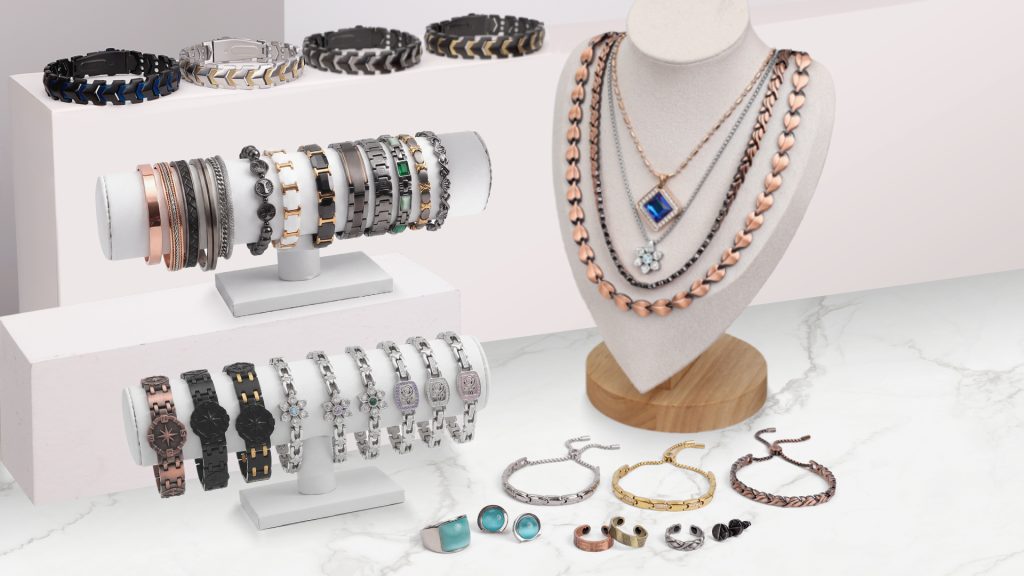
Buying 316L stainless steel jewelry does not depend on the grade name alone. RainSo suggests checking material traceability, nickel-release documents, PVD finish, magnet position and batch consistency before placing an order.
Five supplier checks
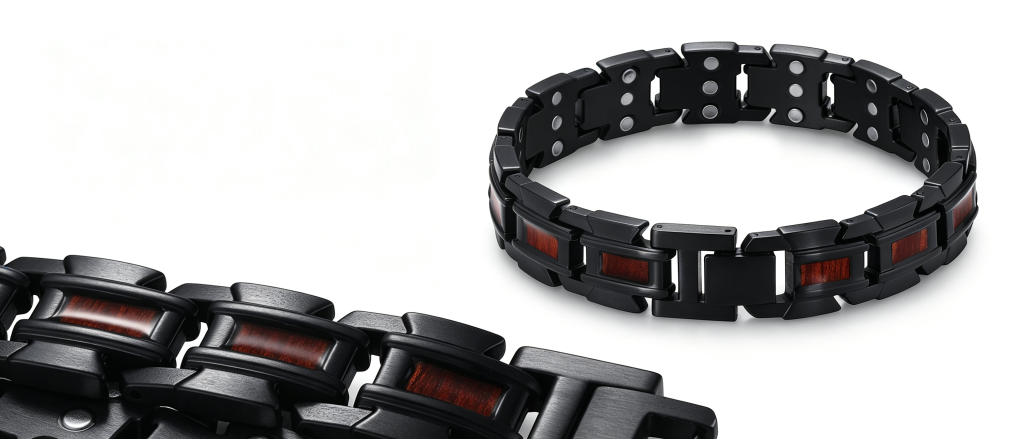
Where 316L Stainless Steel Jewelry Claims Need Evidence
1. Grade identification and traceability
316L is a material grade, not proof that a finished piece meets every requirement in every market. For 316L stainless steel jewelry, the buyer should confirm the actual material of the body, clasp, links and decorative parts. Ask whether the supplier can provide a material composition report where applicable and whether the report is tied to a production batch.
For a small brand, the question is simple: can the supplier explain what is being purchased and keep the same specification on the next order? For a larger importer, the same question becomes an audit trail. The answer should include material source, batch identification and a way to compare the purchased specification with the finished product.
- Ask for the material grade and the parts covered by that grade.
- Confirm whether decorative inlays or plated components use separate materials.
- Request batch-specific documents where the order or market requires them.
- Keep the approved specification with the sample and purchase order.
2. Nickel-release testing for the target market
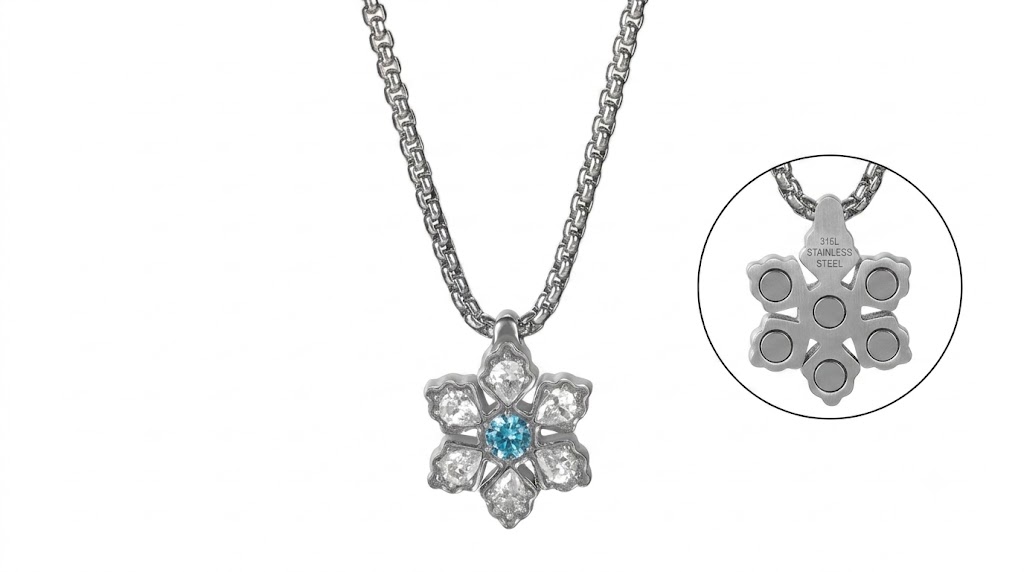
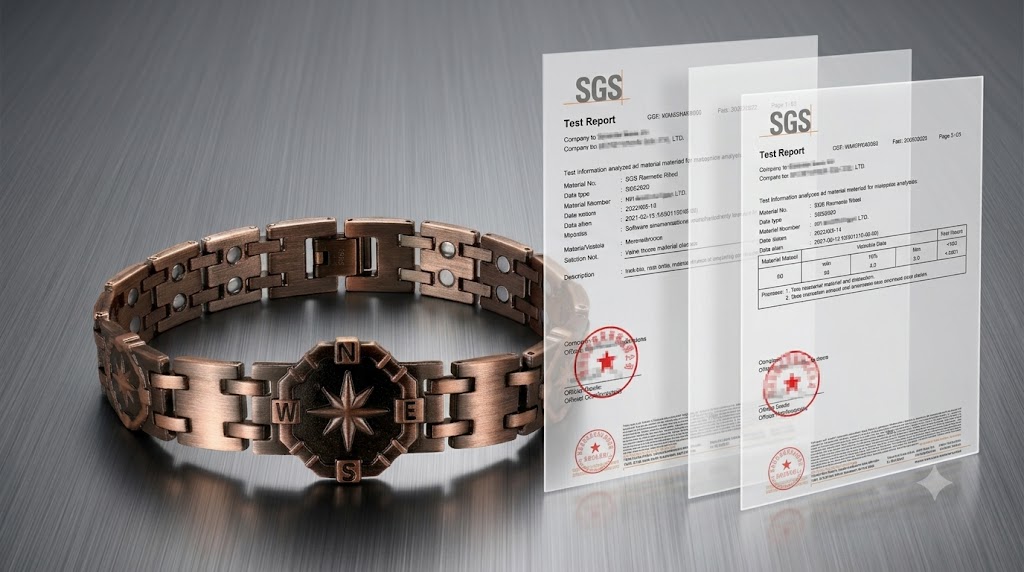
Nickel release is a separate question from the material name. Depending on the market and product type, testing may need to follow a recognised method such as EN 1811, with the exact scope agreed before testing. A report is useful only when the buyer knows what was tested, which components were included and which standard was applied.
Use precise wording: “nickel release testing arranged according to EN 1811 where required” is safer than saying a product is universally nickel-free. Requirements and accepted evidence depend on the target market and product scope.
For EU chemical restrictions, review the REACH jewelry compliance guide and ask the supplier to explain the applicable restriction, sample and test scope. For California Proposition 65 questions, ask the supplier to explain the warning and exposure requirements that may apply. Do not use a laboratory name as proof of product certification. The relevant point is the test scope, sample, date and result.
3. Magnet position and component fit
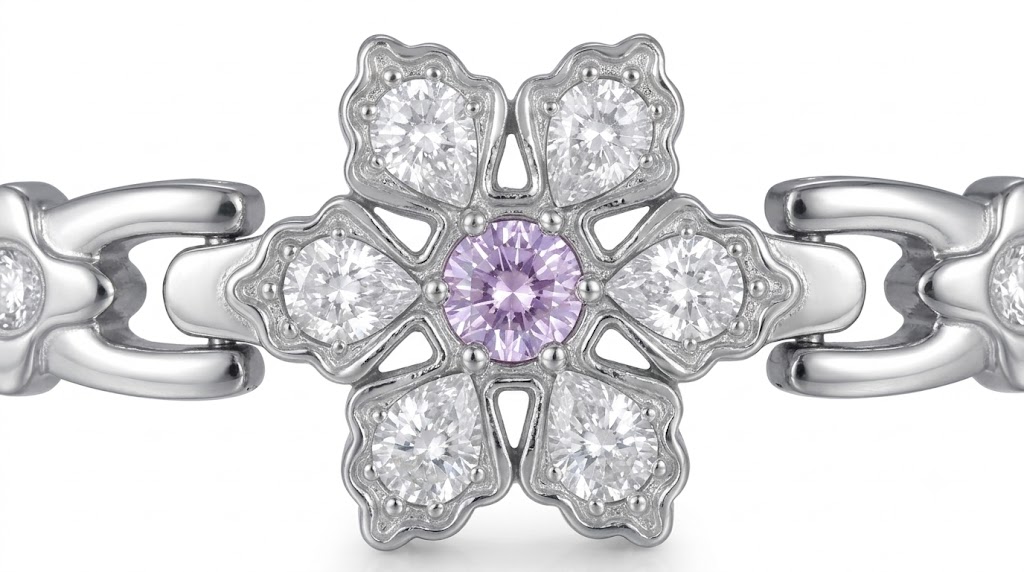
Magnetic jewelry can use magnets as a design feature or as part of a closure. The supplier should define the magnet type, position, polarity and retention method. If the magnet is embedded, ask how it is fixed, how the setting is checked and whether the finished piece remains comfortable during normal wear.
Don’t rely on a general magnetic strength number alone. A useful discussion covers the intended feel of the closure, the position of each element, the polarity sequence and how the factory checks consistency across the batch. Magnet testing should be described as a production check, not as a health benefit.
4. PVD finish and sample-to-bulk consistency
Two 316L pieces can look different after plating. The finish depends on surface preparation, plating method, colour control and handling. Ask which finish is being used, how colour and gloss are checked, and whether the approved sample travels with the production order as a visual reference.
| Supplier question | Good answer looks like | What to keep on file |
|---|---|---|
| How is the finish specified? | A named finish and a physical or photographic reference. | Approved sample photo and finish description. |
| How is colour checked? | A documented comparison against the approved sample. | Batch inspection note and photo record. |
| How are scratches checked? | Visual inspection under controlled lighting before packing. | Inspection result and rework or rejection rule. |
| How is the batch compared with the sample? | Dimensions, finish, magnet position and clasp action are checked. | Inspection record before shipment. |
5. Batch inspection records
A supplier may use different inspection levels for different checks. Some items can be inspected on every piece, while others may follow a documented batch-sampling plan. Ask which checks are performed on every unit and which are sampled. Then ask what happens when a unit fails: is it reworked, quarantined or rejected?
Before shipment, a buyer can request photos or video of key checkpoints, a packing confirmation and the final inspection record. For batch sampling, ISO 2859-1 sampling procedures can be a general reference, but the applicable plan still depends on the product and order. For a first order, this is often more useful than a long list of generic quality promises because it shows how the batch was actually handled.

A short document request list
- Material grade and the parts it covers.
- Nickel release or other market-specific testing scope, where required.
- Magnet type, position, polarity and retention method.
- Finish, plating colour and sample approval record.
- Dimensions and clasp function compared with the approved sample.
- Inspection level, failure handling and packing check.
- Export documents and the person responsible for confirming them.
The strongest supplier is not the one with the longest catalogue. It is the one that can answer these questions clearly, keep the agreed specification and repeat the same result on the next order.
For material checks during production, see the seven-step QC process. If the next step involves a new structure, use the OEM/ODM development page.
If you are comparing 316L suppliers, send the product scope and the documents your market requires.
Review 316L optionsFrequently Asked Questions
How should a buyer evaluate a magnetic jewelry supplier?
Review product specifications, real material information, QC process, sample handling, MOQ, lead time, packaging capability, documentation and written order terms. Request evidence for any performance, material or compliance claim.
Which supplier claims need evidence?
Material composition, surface finish, magnet details, test reports, regulatory compliance and performance claims should be supported by the applicable product record or document. RainSo does not treat general website wording as a product certification.
What should buyers compare before placing an order?
Compare per-style cost, tooling or setup requirements, MOQ, sample time, production time, QC process, packaging, freight terms and documentation. Also confirm which written document controls if details differ.
How can buyers reduce sourcing risk?
Start with a manageable stock order or approved sample, confirm the specification in writing, review the QC requirements and agree on packaging, shipping and defect-reporting terms before production.